
How Coaches Can Streamline Communication with Parents
Effective communication between coaches and parents is key to a positive experience for young athletes. When parents feel informed and involved, children gain confidence and enjoy their sports journey more. Yet, many coaches struggle to keep communication clear, timely, and organized. Let’s take a look at some practical ways coaches can improve this connection, making it easier for everyone involved.
Why Clear Communication Matters for Coaches and Parents
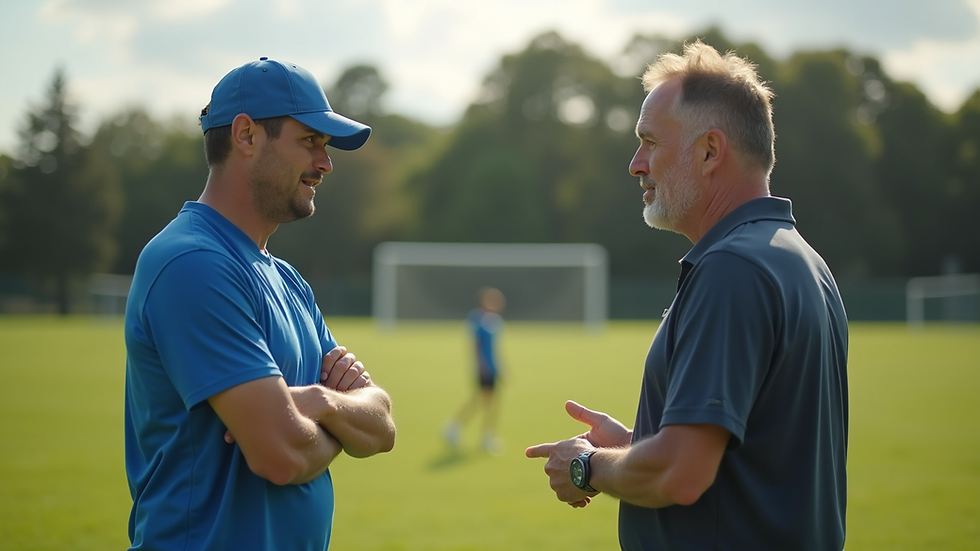
Parents of young children want to know what’s happening in practices, games, and team events. They also want to understand their child’s progress and how to support them. When communication is scattered or slow, parents can feel frustrated or left out. This can affect their child’s motivation and the overall team spirit.
Good communication helps coaches:
Build trust with families
Reduce misunderstandings
Keep parents engaged and supportive
Save time by avoiding repeated questions
Parents benefit by:
Feeling confident about their child’s experience
Knowing schedules and updates in advance
Getting clear feedback on their child’s growth
By focusing on simple, consistent communication, coaches create a stronger community around their teams. This helps kids thrive both on and off the field.
Tools and Methods to Improve Communication
There are many ways coaches can share information with parents. Choosing the right tools depends on the team size, coach’s style, and parents’ preferences. Here are some effective options I’ve seen work well.
Group Messaging
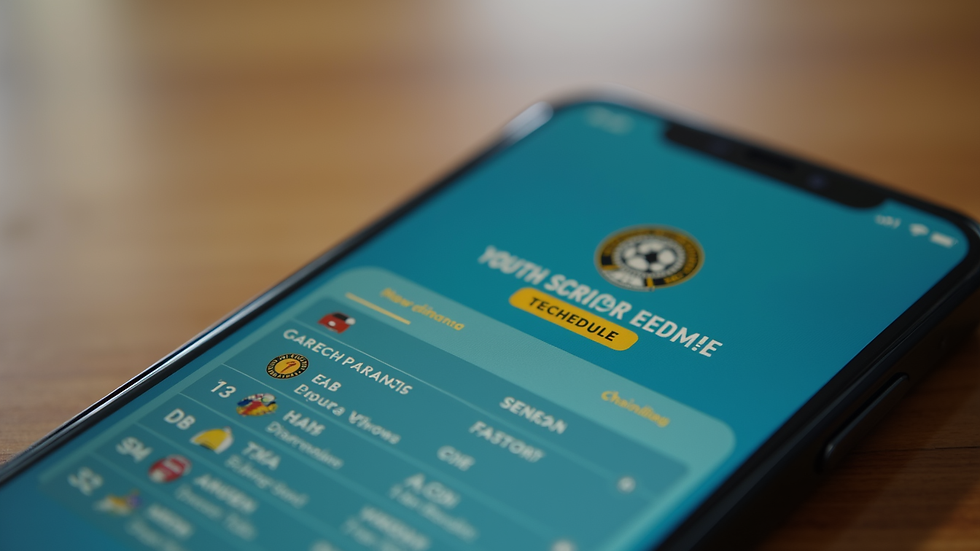
Creating a team group message allows coaches to send quick updates, reminders, and alerts to all parents at once.
Email Newsletters
Sending a weekly or biweekly email newsletter is a great way to summarize key information. Coaches can include:
Upcoming events
Highlights from recent games
Tips for parents to support their child’s development
Emails work well for sharing detailed updates and resources. Using a simple template saves time and keeps messages consistent. Parents can refer back to emails whenever they need.
Old School Personal Touch
For as much as technology has eliminated steps in the communication process, we still encourage open conversations during pick-up and drop-off times. This personal touch builds trust and lets parents share any concerns or questions.
Tips for Coaches to Keep Communication Simple and Effective
Here are some practical tips coaches can use to improve communication with parents:
Set clear expectations early. At the start of the season, explain how and when you will communicate. Let parents know the best way to reach you.
Be consistent. Send updates on a regular schedule, like every Monday or after each game. This helps parents know when to expect news.
Use simple language. Avoid jargon or complicated terms. Write messages that any parent can understand quickly.
Encourage two-way communication. Invite parents to ask questions or share feedback. This builds a stronger relationship.
Keep messages brief. Focus on key points to respect parents’ time.
Use visuals when possible. Photos or short videos from practices or games can make updates more engaging.
Respect privacy. Avoid sharing personal information about players without permission.
Handling Challenges in Parent Communication
Sometimes, communication can be tricky. Parents may have different expectations or concerns. Here’s how coaches can handle common challenges:
Dealing with last-minute changes. Use group messaging apps to send quick alerts. Make sure parents know to check messages regularly.
Managing questions outside of practice. Set boundaries by specifying times when you are available to respond.
Handling disagreements. Stay calm and listen carefully. Focus on the child’s best interest and find common ground.
Reaching parents with limited tech access. Offer phone calls or printed updates when needed.
By being proactive and flexible, coaches can keep communication positive and productive.

Final Thoughts on Building Strong Parent-Coach Communication
Clear communication is the foundation of a great youth sports experience. When coaches keep parents informed and involved, kids feel supported and motivated.
At Genesis Sports Academy, we believe every child deserves a positive sports journey. That starts with strong connections between coaches and families. If you’re a coach, try some of these ideas to improve your communication. You’ll see how it helps build confidence and character in your young athletes.
Remember, good communication is not just about sharing information. It’s about creating a community where everyone feels valued and ready to cheer each other on.

Comments